
In today’s complex financial landscape, understanding the various Flexible loan options available is crucial for making informed decisions about your financial future.
Navigating the world of finance can be challenging, but with the right guidance, you can make confident choices. Whether you’re looking to finance a new car or need a credit solution for personal reasons, there are various options at your disposal.
This article aims to provide a comprehensive overview of the different types of financial assistance available, helping you choose the best solution for your needs.
Key Takeaways
- Understand the different types of flexible loan options available.
- Learn how to choose the best credit solution for your needs.
- Discover how to navigate the complex financial landscape with confidence.
- Explore various financial assistance options for personal needs.
- Make informed decisions about your financial future.
Understanding the Landscape of Loans & Credit
Understanding loans and credit is essential for making informed decisions about one’s financial future. Loans and credit play a pivotal role in personal finance, enabling individuals to achieve their financial goals, whether it’s purchasing a home, financing education, or covering unexpected expenses.

The Role of Loans and Credit in Personal Finance
Loans and credit are fundamental components of personal finance, providing individuals with the financial flexibility to meet their needs. They can be used for various purposes, from consolidating debt to financing large purchases.
How Financial Institutions Evaluate Borrowers
Financial institutions evaluate borrowers based on their creditworthiness, income stability, and debt-to-income ratio. This loan evaluation process helps lenders assess the risk of lending to an individual.
The Impact of Economic Factors on Lending
Economic factors such as interest rates, inflation, and employment rates significantly impact lending practices. Understanding these economic factors is crucial for borrowers to make informed decisions.
By grasping the intricacies of loan and credit evaluation, individuals can better navigate the loan and credit market, making more informed decisions about their financial future.
Types of Loans & Credit Options Available Today
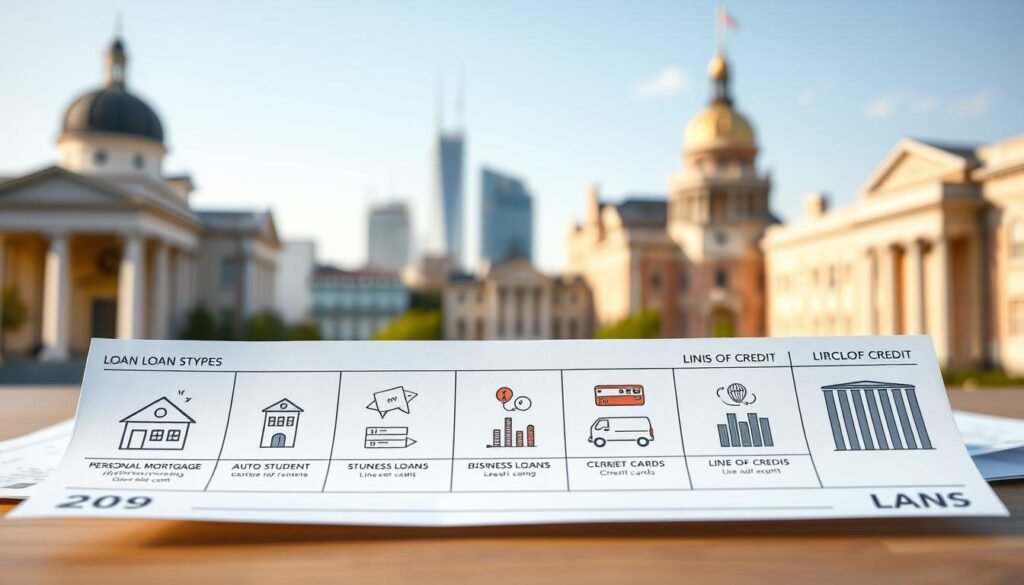
Understanding the various types of loans and credit options is crucial for making informed financial decisions. The diversity in loan and credit products available today can cater to different financial needs and situations.
Secured vs. Unsecured Financing
Loans can be broadly categorized into secured and unsecured financing options. Secured loans require collateral, such as a house or a car, to secure the loan. This reduces the risk for lenders, often resulting in lower interest rates. On the other hand, unsecured loans do not require collateral, relying instead on the borrower’s creditworthiness. Unsecured loans typically have higher interest rates due to the increased risk for lenders.
Short-Term vs. Long-Term Borrowing
Loans also vary in their repayment periods, categorized as short-term or long-term borrowing. Short-term loans are designed for immediate financial needs, with repayment terms usually within a year. These are ideal for emergency funding or temporary financial gaps. Long-term loans, however, have extended repayment periods, often several years or even decades, making them suitable for significant investments like buying a home.
Fixed vs. Variable Interest Rate Products
Another critical distinction lies in the interest rate structure: fixed or variable. Fixed interest rate loans maintain the same interest rate throughout the loan term, providing predictable monthly payments. Variable interest rate loans, however, can fluctuate based on market conditions, potentially affecting monthly payments. Borrowers must consider their financial stability and market forecasts when choosing between these options.
When selecting a loan or credit product, it’s essential to consider the following factors:
- The purpose of the loan
- The borrower’s financial situation and credit score
- The loan’s interest rate and repayment terms
- Associated fees and charges
By understanding these aspects and the different types of loans available, individuals can make more informed decisions that align with their financial goals and circumstances.
Personal Loans: Versatile Financing for Various Needs
Personal loans offer a flexible financial solution for a wide range of needs. Whether you’re looking to consolidate debt, finance a home improvement project, or cover unexpected expenses, personal loans can provide the necessary funds.
Common Uses for Personal Loans
Personal loans are versatile and can be used for various purposes. Some common uses include debt consolidation, where you combine multiple debts into a single loan with a lower interest rate and a single monthly payment. They can also be used for financing home renovations or improvements, covering medical expenses, or funding significant events like weddings.
Additionally, personal loans can be used to cover unexpected expenses, such as car repairs or emergency travel. This flexibility makes personal loans an attractive option for individuals facing financial challenges or seeking to achieve specific financial goals.
Typical Terms and Interest Rates
The terms and interest rates associated with personal loans can vary significantly depending on the lender, your credit score, and other factors. Generally, personal loans can have repayment terms ranging from a few months to several years. Interest rates can also vary, with some loans offering fixed rates and others offering variable rates.
It’s essential to understand the terms and conditions of your loan, including the interest rate, repayment term, and any fees associated with the loan. This information will help you make an informed decision and ensure that you’re getting a loan that meets your needs.
Qualifying Requirements and Application Process
To qualify for a personal loan, lenders typically consider factors such as your credit score, income, and debt-to-income ratio. A good credit score can help you qualify for better interest rates and terms. You’ll also need to provide documentation, such as proof of income and identification, as part of the application process.
The application process for personal loans has become more streamlined with the advent of online lending platforms. Many lenders now offer online applications, which can be completed quickly and easily. Once you’ve submitted your application, the lender will review your information and make a decision, often within a few days.
Mortgage Loans: Pathways to Homeownership
Mortgage loans play a crucial role in making homeownership a reality for many individuals and families. With various options available, understanding the differences between them is key to making an informed decision.
Conventional Mortgages vs. Government-Backed Options
Conventional mortgages are not insured by the government and typically require a higher down payment. In contrast, government-backed options like FHA loans, VA loans, and USDA loans offer more lenient credit score requirements and lower down payments, making them attractive to first-time homebuyers or those with less-than-perfect credit.
Government-backed loans can be particularly beneficial for those who may not qualify for conventional mortgages. For example, VA loans offer zero-down financing for eligible veterans, while FHA loans require as little as 3.5% down.
Fixed-Rate vs. Adjustable-Rate Mortgages
The choice between fixed-rate and adjustable-rate mortgages significantly impacts monthly payments and long-term financial obligations. Fixed-rate mortgages offer predictable payments, while adjustable-rate mortgages can provide lower initial rates but come with the risk of increased payments over time.
- Fixed-rate mortgages provide stability and predictability.
- Adjustable-rate mortgages may offer lower initial interest rates.
First-Time Homebuyer Programs
First-time homebuyer programs are designed to assist individuals in purchasing their first home. These programs often provide financial assistance, lower interest rates, or reduced mortgage insurance premiums.
Examples include FHA loans, VA loans for veterans, and state-specific programs that offer down payment assistance.
Refinancing Opportunities and Considerations
Refinancing a mortgage can help homeowners take advantage of lower interest rates, switch from an adjustable-rate to a fixed-rate loan, or tap into home equity. However, it’s essential to consider the costs associated with refinancing, such as closing costs and potential prepayment penalties.
Homeowners should weigh the benefits of refinancing against the costs to determine if it’s the right decision for their financial situation.
Auto Loans and Vehicle Financing Solutions
Navigating the world of auto loans can be complex, but knowing your options simplifies the process. When considering a vehicle purchase, understanding the various financing solutions available is crucial.
Dealership Financing vs. Bank Loans
One of the primary decisions when seeking an auto loan is whether to opt for dealership financing or a bank loan. Dealerships often provide convenient financing options, handling the paperwork and negotiations for you. However, banks and credit unions may offer more competitive interest rates due to lower operational costs.
Dealership financing can be beneficial for its convenience and sometimes promotional rates. On the other hand, bank loans might offer more flexibility in terms of loan duration and interest rates.
New vs. Used Car Loan Considerations
The decision to finance a new or used vehicle involves different considerations. New cars typically come with higher purchase prices and may depreciate faster, but they often qualify for better loan terms. Used cars, while cheaper upfront, might have higher interest rates due to the increased risk for lenders.
- New Car Loans: Often come with lower interest rates and more favorable terms.
- Used Car Loans: May have higher interest rates, but the initial purchase price is lower.
Lease vs. Buy: Weighing Your Options
Another critical decision is whether to lease or buy a vehicle. Leasing can offer lower monthly payments and the flexibility to drive a new car every few years. Buying, however, means you build equity in the vehicle and have no mileage restrictions.
Consider your driving habits, budget, and preferences when deciding between leasing and buying. If you drive extensively or prefer keeping your vehicle long-term, buying might be more cost-effective. For those who prefer new cars frequently and lower monthly payments, leasing could be the better choice.
Credit Cards and Revolving Credit Accounts
Credit cards are not just a convenient payment method; they also offer a range of financial benefits when used responsibly. With various types of credit cards available, consumers can select the one that best aligns with their financial goals and spending habits.
Types of Credit Cards and Their Benefits
The credit card market offers a diverse range of products, each with its unique features and benefits. Rewards credit cards, for instance, provide users with points or miles that can be redeemed for travel, merchandise, or cashback. Cashback credit cards offer a percentage of the purchase amount back to the cardholder, making them ideal for daily expenses.
Other types include balance transfer credit cards, which allow users to transfer existing credit card balances to a new card, often with a lower or 0% introductory APR. Secured credit cards are designed for individuals looking to build or repair their credit, requiring a security deposit that becomes the credit limit.
Rewards Programs and Cashback Options
Rewards programs and cashback options are significant advantages of using credit cards. Rewards programs can be highly beneficial for frequent travelers or individuals who spend a lot on specific categories like dining or groceries. For example, Chase Sapphire Preferred offers 2X points on travel and dining purchases.
“The right credit card can make a significant difference in your financial strategy, especially with rewards and cashback programs.” –
When choosing a rewards or cashback credit card, it’s essential to consider your spending habits and financial goals to maximize the benefits.
Balance Transfer Strategies
Balance transfer strategies can be an effective way to manage debt. By transferring high-interest debt to a credit card with a lower or 0% introductory APR, individuals can save on interest and pay off their debt more efficiently.
- Look for credit cards with 0% introductory APR periods.
- Understand the balance transfer fees.
- Plan to pay off the debt before the introductory period ends.
Responsible Credit Card Management
Responsible credit card management is crucial to maintaining a healthy credit score and avoiding debt. This includes making timely payments, keeping credit utilization ratios low, and monitoring credit reports for errors.
Best practices include setting up payment reminders, paying more than the minimum payment when possible, and avoiding applying for multiple credit cards in a short period.
By understanding the different aspects of credit cards and managing them responsibly, individuals can harness the benefits of credit cards while maintaining financial health.
Specialized Financing: Student Loans and Education Costs
Student loans offer a vital lifeline for individuals seeking to further their education, with both federal and private options available. Understanding the nuances of these financing options is crucial for making informed decisions about educational investments.
Federal Student Loan Programs
Federal student loans are funded by the government and often come with more favorable terms, such as lower interest rates and more flexible repayment options. These loans are typically need-based, and the application process involves completing the Free Application for Federal Student Aid (FAFSA).
Key benefits of federal student loans include:
- Lower fixed interest rates
- Income-driven repayment plans
- Potential for loan forgiveness
Private Student Loan Options
Private student loans are offered by banks, credit unions, and other lenders. These loans can be used to cover education expenses not met by federal aid, scholarships, or other sources. Interest rates and terms vary widely among lenders, making it essential to compare offers carefully.
Considerations for private student loans include:
- Variable interest rates
- Credit score requirements
- Potential for higher fees
Loan Forgiveness and Repayment Assistance
Loan forgiveness and repayment assistance programs are available to help borrowers manage their debt. Federal programs, such as Public Service Loan Forgiveness (PSLF), offer forgiveness after a certain number of qualifying payments. Some employers also offer repayment assistance as a benefit.
Parent Loans and Family Financing Options
Parent Loans for Undergraduate Students (PLUS) are a type of federal loan that allows parents to borrow on behalf of their dependent undergraduate children. Other family financing options, such as 529 college savings plans, can also play a crucial role in funding education expenses.
By understanding the different types of student loans and financing options available, individuals can make more informed decisions about their educational investments and better manage the associated costs.
Home Equity and Property-Based Borrowing
Tapping into home equity can be a strategic financial move for homeowners needing substantial funds. Home equity financing allows homeowners to leverage the value of their property to secure loans or lines of credit.
Key Differences Between Home Equity Loans and HELOCs
Homeowners have two primary options when it comes to home equity financing: home equity loans and Home Equity Lines of Credit (HELOCs). Understanding the differences between these two products is crucial.
- Home Equity Loans: Provide a lump sum upfront with fixed interest rates and repayment terms.
- HELOCs: Offer a revolving line of credit with variable interest rates, allowing borrowers to draw funds as needed.
Common Uses for Home Equity Financing
Homeowners utilize home equity financing for various purposes, including:
- Home renovations and improvements
- Debt consolidation
- Major purchases or financial emergencies
These uses highlight the flexibility of home equity financing in addressing different financial needs.
Tax Implications and Risk Considerations
While home equity financing offers several benefits, it’s essential to consider the tax implications and potential risks. The interest on home equity loans or HELOCs may be tax-deductible, but this can depend on how the funds are used.
Risk considerations include the potential for foreclosure if payments are not made, and the impact of variable interest rates on monthly payments.
By understanding these factors, homeowners can make informed decisions about leveraging their home equity.
Digital Innovation in Loans & Credit Services
Digital innovations are transforming the way we access loans and credit services. The traditional lending process is being revolutionized by technology, making it faster, more convenient, and accessible to a wider audience.
Online Lending Platforms and Fintech Solutions
Online lending platforms and fintech solutions have emerged as significant players in the financial industry. These platforms offer a range of services, from personal loans to business financing, all accessible through digital interfaces. Fintech companies are leveraging technology to provide streamlined application processes, quick approvals, and competitive interest rates.
Peer-to-Peer Lending Opportunities
Peer-to-peer lending has gained popularity as an alternative funding source. Platforms that facilitate peer-to-peer lending connect borrowers directly with investors, often resulting in more favorable terms for both parties. This model is particularly appealing to those who may not qualify for traditional bank loans.
Buy Now, Pay Later Services
Buy now, pay later (BNPL) services have become increasingly popular, especially among younger consumers. BNPL solutions allow customers to make purchases and pay for them in installments, often without interest. This flexibility is changing consumer behavior and influencing how businesses offer financing options.
Mobile Banking and Instant Approval Products
Mobile banking has played a crucial role in the digitalization of lending services. With mobile apps, users can apply for loans, check their status, and manage their accounts on the go. Instant approval products further enhance this experience by providing rapid decision-making, enabling borrowers to access funds quickly when needed.
The integration of digital innovation in loans and credit services is reshaping the financial landscape. As technology continues to evolve, we can expect even more sophisticated and user-friendly lending solutions to emerge.
Conclusion: Making Informed Decisions for Your Financial Future
Navigating the complex world of loans and credit requires a clear understanding of the options available. By evaluating the various loan and credit solutions discussed, you can make informed decisions that align with your financial goals and needs.
Whether you’re considering a personal loan, mortgage, or credit card, it’s essential to carefully assess your choices. This involves understanding the terms, interest rates, and repayment requirements associated with each option. By doing so, you can choose the solution that best supports your financial future.
As you move forward, remember that financial institutions like banks and credit unions offer a range of products designed to meet different needs. Online lending platforms and fintech solutions also provide innovative options, such as peer-to-peer lending and buy now, pay later services.
By staying informed and considering your options carefully, you can make decisions that enhance your financial stability and support your long-term goals. This thoughtful approach will help you navigate the loans and credit landscape with confidence, achieving a more secure financial future.