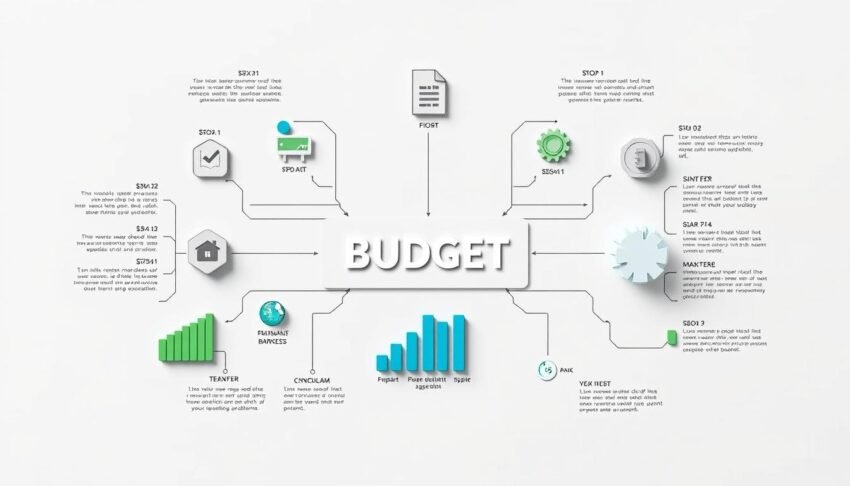
Creating a budget is a crucial step towards achieving financial stability. By managing your expenses and income effectively, you can make informed decisions about how to allocate your resources.
Effective budgeting allows you to prioritize your spending, reduce unnecessary expenses, and make progress towards your financial goals. Whether you’re looking to pay off debt, build an emergency fund, or simply save for the future, a well-planned budget is essential.
By following simple and practical tips, you can take control of your finances and achieve long-term financial security.
Key Takeaways
- Understand the importance of budgeting for financial stability
- Learn how to prioritize your expenses and income
- Discover simple tips for effective financial planning
- Make progress towards your financial goals
- Achieve long-term financial security
Understanding Your Financial Situation
Understanding your financial landscape is crucial for making informed decisions about your money. It’s the foundation upon which effective financial planning is built.
Assessing Your Current Spending Habits
To get a clear picture of your financial situation, you need to assess your current spending habits. This involves understanding where your money is going each month.
Tracking Expenses for 30 Days
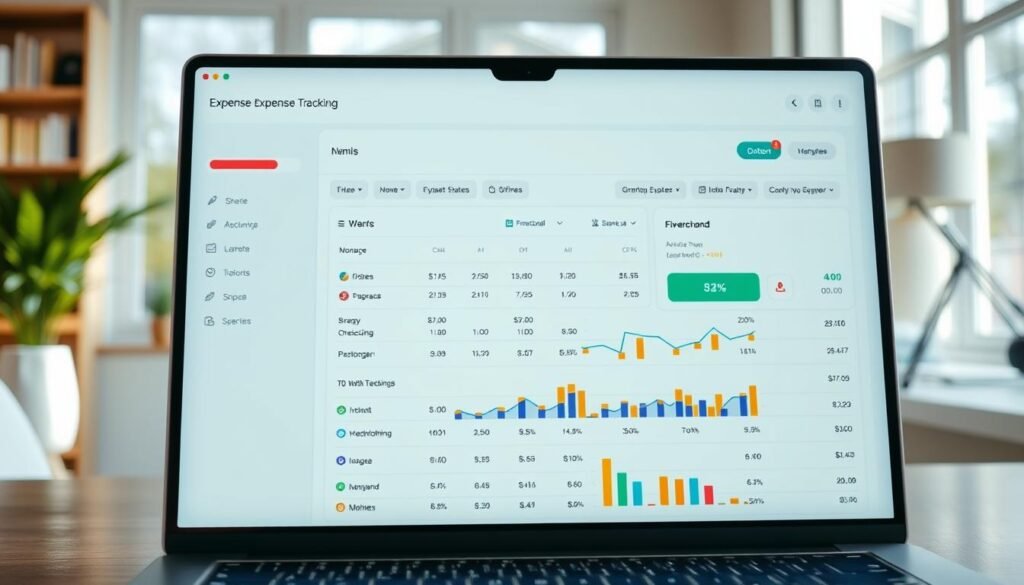
Start by tracking every single expense for 30 days. This will give you a comprehensive view of your spending patterns. Use a notebook, spreadsheet, or an app to log every purchase, no matter how small.
- Record every transaction
- Categorize expenses (food, transportation, entertainment)
- Identify areas for improvement
Identifying Fixed vs. Variable Costs
Distinguish between fixed costs, like rent and utilities, and variable costs, such as dining out or entertainment. Understanding the difference can help you manage your money more effectively.
Fixed costs remain the same each month, while variable costs can fluctuate. Knowing this helps in budgeting and making financial decisions.
Recognizing Financial Leaks
Financial leaks are unnecessary expenses that drain your wallet. Common leaks include subscription services you don’t use, impulse buys, and late fees.
- Review bank statements for recurring charges
- Cut back on unnecessary expenses
- Avoid impulse purchases
Setting Realistic Financial Goals
Once you understand your spending and have identified areas for improvement, it’s time to set realistic financial goals. These could be short-term, like saving for a vacation, or long-term, such as retirement planning.
Tips for setting financial goals:
- Make your goals specific and measurable
- Prioritize your goals
- Create a plan to achieve your goals
By following these steps, you’ll be well on your way to improving your financial health and achieving your financial objectives.
Creating an Effective Budget Plan
A well-structured budget plan is the foundation of successful money management. It helps you understand where your money is going and makes it easier to achieve your financial goals.
Popular Budgeting Methods for Americans
There are several budgeting methods that can help you manage your finances effectively. Here are a few popular ones:
50/30/20 Rule
The 50/30/20 rule is a simple and effective way to budget. It suggests that you allocate 50% of your income towards necessary expenses like rent and utilities, 30% towards discretionary spending, and 20% towards saving and debt repayment.
Zero-Based Budgeting
Zero-based budgeting involves assigning every dollar of your income to a specific category, ensuring that your income minus expenses equals zero. This method helps you be more intentional with your money.
Envelope System
The envelope system is a hands-on approach to budgeting. You divide your expenses into categories and place the corresponding budgeted amount into labeled envelopes. This visual system can help you stick to your budget.
Best Budgeting Apps and Tools
In today’s digital age, there are numerous budgeting apps and tools that can simplify the process of managing your finances. Some popular options include Mint, You Need a Budget (YNAB), and Personal Capital. These tools can help you track your expenses, create a budget, and set financial goals.
Strategies for Sticking to Your Budget
Creating a budget is just the first step; sticking to it is where the real challenge lies. Here are a few strategies to help you stay on track:
- Regularly review and adjust your budget to reflect changes in your income or expenses.
- Use the 24-hour rule for non-essential purchases to avoid impulse buying.
- Automate your savings by setting up automatic transfers to your savings or investment accounts.
By implementing these strategies and utilizing the right budgeting tools, you can effectively manage your finances and achieve your financial goals.
Smart Grocery Shopping Strategies
Smart grocery shopping is about more than just finding the lowest prices; it’s about making informed decisions that can lead to significant savings. By adopting a few simple strategies, you can reduce your grocery bills and contribute to a more frugal lifestyle.
Meal Planning to Reduce Food Waste
One of the most effective ways to save money on groceries is through meal planning. By planning your meals for the week, you can avoid buying unnecessary items and reduce food waste. According to the USDA, the average American family throws away about 40% of the food they buy. Meal planning can help you avoid this trap.
To start meal planning, begin by taking stock of what you already have at home. Then, plan your meals around those ingredients. You can also find inspiration online or through cookbooks. Make a list of the ingredients you need and stick to it when you’re at the store.
Maximizing Savings with Coupons and Cashback Apps
Coupons and cashback apps are great tools for saving money on groceries. Many stores offer digital coupons that you can load onto your loyalty card or mobile app. You can also find coupons online or through mailers. Cashback apps like Ibotta and Fetch Rewards offer rebates on certain items.
To maximize your savings, combine coupons with sales. For example, if you have a coupon for a product that’s already on sale, you can save even more. Some stores also offer double coupon days, which can be a great way to stock up.
Store Brand vs. Name Brand Products
When shopping for groceries, you’ll often have the choice between store-brand and name-brand products. In many cases, store-brand products are just as good as their name-brand counterparts, but at a lower price. Store-brand products can save you up to 30% on your grocery bill.
For example, store-brand canned goods, pasta, and rice are often comparable in quality to name-brand products. You can also find store-brand alternatives for personal care items and household supplies.
Strategic Bulk Buying
Buying in bulk can be a great way to save money on groceries, but it’s only effective if you use the items before they expire. Strategic bulk buying involves purchasing items that you use regularly in large quantities.
For instance, if you use a lot of rice, pasta, or canned goods, buying in bulk can save you money in the long run. Just be sure to store your bulk purchases properly to maintain their freshness.
As Warren Buffett once said, “Price is what you pay. Value is what you get.” By adopting these smart grocery shopping strategies, you can get more value for your money and live a more frugal lifestyle.
“Do not save what is left after spending, but spend what is left after saving.” – Warren Buffett
Reducing Monthly Utility Expenses
Utility bills can take a substantial chunk out of your monthly budget, but there are effective ways to reduce these costs. By implementing a few simple strategies, you can lower your expenses and allocate more funds towards savings or other important areas of your life.
Energy-Saving Tips for American Homes
One of the most effective ways to reduce your utility bills is by improving your home’s energy efficiency. This can be achieved through various means, including enhancing your heating and cooling systems’ efficiency and being mindful of your appliance usage.
Heating and Cooling Efficiency
To optimize your heating and cooling efficiency, consider the following tips:
- Regularly maintain your HVAC system to ensure it’s working efficiently.
- Install a programmable thermostat to adjust temperatures according to your schedule.
- Seal any air leaks around doors and windows to prevent heated or cooled air from escaping.
- Use ceiling fans to circulate air, reducing the need for extreme heating or cooling.
Appliance Energy Usage
Being mindful of your appliance energy usage can also lead to significant savings. Here are some strategies:
- Replace old appliances with energy-efficient models that have the ENERGY STAR label.
- Unplug appliances when not in use to eliminate standby power consumption.
- Use power strips to easily turn off multiple appliances at once.
Negotiating Better Rates with Service Providers
Another effective way to reduce your utility expenses is by negotiating better rates with your service providers. This can include your electricity, gas, and internet service providers. Here are some tips:
- Research competing offers from other providers to leverage better deals.
- Call your service provider and ask if they can offer any discounts or promotions.
- Consider bundling services to receive a discounted rate.
Water Conservation Techniques
Conserving water not only helps the environment but also reduces your water utility bills. Some effective water conservation techniques include:
- Fixing leaks promptly to avoid wasting water.
- Installing low-flow showerheads and faucets.
- Using a water-efficient washing machine and dishwasher.
By implementing these strategies, you can significantly reduce your monthly utility expenses, contributing to a more manageable budget and a more sustainable lifestyle.
Saving Money on Transportation Costs
Saving money on transportation is achievable through a combination of smart driving habits, efficient vehicle maintenance, and savvy insurance choices. By implementing a few simple strategies, you can significantly reduce your transportation expenses and allocate more funds to other important areas of your budget.
Fuel Efficiency Tips for Daily Commutes
Improving fuel efficiency is one of the most effective ways to save on transportation costs. Simple habits like maintaining a consistent speed, avoiding hard braking, and ensuring your vehicle is properly tuned can make a significant difference. Additionally, removing extra weight from your trunk and using cruise control on the highway can help optimize your fuel consumption.
Consider carpooling or using alternative routes to reduce your daily commute’s fuel consumption. Many apps and websites offer route optimization and traffic updates to help you navigate more efficiently.
Public Transportation and Rideshare Options
Utilizing public transportation or rideshare services can significantly cut down on your transportation costs. Not only can it reduce your fuel expenses, but it also eliminates the need for parking and reduces vehicle wear and tear. Research public transportation options in your area and consider investing in a transit pass for convenience and savings.
Ridesharing can be a cost-effective alternative for longer trips or when you need to travel with others. Many rideshare services offer discounts for frequent riders or for sharing rides with others heading in the same direction.
Preventative Vehicle Maintenance
Regular vehicle maintenance is crucial for ensuring your car runs efficiently and safely. Routine checks on tire pressure, oil levels, and brake pads can prevent costly repairs down the line. A well-maintained vehicle not only saves you money on fuel but also reduces the likelihood of expensive breakdowns.
- Regular oil changes
- Tire rotation and balancing
- Brake pad replacement
- Air filter checks
Car Insurance Savings Opportunities
Car insurance is a necessary expense, but there are ways to save on your premiums. Shopping around and comparing rates from different insurers can help you find the best deal. Additionally, many insurance companies offer discounts for safe driving habits, bundling policies, or being a good student.
Consider raising your deductible to lower your premiums, but ensure you can afford the deductible amount in case of a claim. Some insurers also offer usage-based insurance that tracks your driving habits and can offer discounts for safe driving.
Cutting Down on Entertainment Expenses
Entertainment expenses can quickly add up, but there are ways to enjoy yourself without breaking the bank. Whether you’re looking to save money on dining out, subscription services, or travel, there are plenty of strategies to help you cut costs.
Free and Low-Cost Entertainment in Your Community
One of the best ways to save money on entertainment is to take advantage of free or low-cost activities in your community. Many cities offer free outdoor concerts and movies during the summer months, while others have museums and galleries with free or discounted admission on certain days of the week.
Consider exploring local parks or hiking trails, or attending community events like farmers’ markets or street fairs. You can also host your own gatherings, like potluck dinners or game nights, to socialize without breaking the bank.
Subscription Service Auditing
Subscription services like streaming platforms, gym memberships, and software subscriptions can be a significant expense. Take a close look at your subscription services and cancel any that you don’t use regularly. Consider downgrading to a lower-cost plan or negotiating with the provider to get a better deal.
For example, you might consider switching to a lower-cost streaming service or canceling your gym membership in favor of outdoor workouts. By auditing your subscription services, you can save money and free up more funds for the things that matter most to you.
Restaurant and Dining Savings
Dining out can be a significant expense, but there are ways to save money without sacrificing flavor. Consider eating during off-peak hours, when many restaurants offer discounts or promotions. You can also use coupons or cashback apps to save money on your dining experiences.
Another strategy is to cook at home more often, using ingredients you already have on hand. You can also try meal prepping or planning your meals in advance to reduce food waste and save money.
Travel Hacking Basics
Traveling can be a significant expense, but there are ways to save money without sacrificing adventure. Consider using travel rewards credit cards or signing up for travel rewards programs to earn points or miles that can be redeemed for flights, hotels, or other travel expenses.
You can also save money by booking travel during off-peak seasons or using budget airlines and accommodation options like hostels or Airbnb. By being flexible and doing your research, you can have a great trip without breaking the bank.
Practical Saving Money Techniques for Everyday Life
Incorporating simple habits into your daily routine can lead to substantial savings. By making a few conscious decisions each day, you can significantly impact your financial health over time.
The 24-Hour Rule for Non-Essential Purchases
One effective technique is adopting the 24-hour rule for non-essential purchases. When you see something you want to buy that isn’t necessary, wait 24 hours before making the purchase. This simple pause can help you determine if the item is something you truly need or just a want.
“The key to saving money is not about being extreme, but about being consistent.” This mindset is crucial when implementing the 24-hour rule, as it helps in developing a habit of thoughtful spending.
DIY Solutions vs. Buying New
Embracing DIY solutions is another practical way to save money. Whether it’s repairing something around the house, cooking meals from scratch, or making your own cleaning products, DIY projects can significantly reduce your expenses.
- Repairing items instead of replacing them
- Cooking at home rather than ordering takeout
- Making your own household cleaners
Embracing Minimalism and Intentional Spending
Minimalism is about living intentionally and focusing on what’s truly important. By embracing minimalism, you can reduce your consumption and save money. Intentional spending aligns with your financial goals, ensuring that your money is being used in ways that matter to you.
“Minimalism is not about having less; it’s about making room for what truly adds value to your life.”
Cashback and Rewards Program Optimization
Maximizing your savings can also be achieved through cashback and rewards programs. Using the right credit cards for your daily purchases and taking advantage of cashback apps can add up to significant savings over time.
To optimize your cashback and rewards, consider the following strategies:
- Use a credit card that offers cashback in categories where you spend the most.
- Sign up for cashback apps that offer rebates on your everyday purchases.
- Monitor your rewards and redeem them when they offer the most value.
Smart Shopping for Clothing and Personal Items
The art of smart shopping for clothing and personal items involves understanding your needs, knowing where to look, and being mindful of your budget. By adopting a few strategic approaches, you can refresh your wardrobe and update your personal items without breaking the bank.
Building a Capsule Wardrobe
A capsule wardrobe is a collection of essential clothing items that can be mixed and matched to create multiple outfits. Starting with a capsule wardrobe can help reduce decision fatigue and save money by focusing on versatile, high-quality pieces.
- Begin by assessing your current wardrobe and identifying pieces that are worn frequently.
- Invest in a few high-quality, timeless items that fit well and suit your style.
- Consider the 80/20 rule: 80% of the time, you likely wear 20% of your clothes.
Seasonal Shopping Strategies
Shopping seasonally can help you save money and ensure your wardrobe is relevant and fresh. End-of-season sales are a great time to pick up items at a discount.
- Plan your purchases around seasonal needs and sales.
- Buy out-of-season clothing at clearance prices for future use.
- Consider the longevity of the item and whether it will remain relevant in subsequent seasons.
Quality vs. Price Considerations
When shopping for clothing and personal items, it’s essential to balance quality and price. While cheaper items might be tempting, investing in higher-quality products can be more cost-effective in the long run due to their durability.
Consider the materials, craftsmanship, and brand reputation when evaluating quality.
Thrift Shopping and Online Resale Platforms
Thrift shopping and online resale platforms offer affordable and sustainable options for updating your wardrobe. Thrift stores can be a treasure trove for unique, high-quality items at a fraction of the cost of new clothing.
- Explore local thrift stores and online resale platforms for hidden gems.
- Be patient and persistent; finding great deals can take time.
- Consider the environmental and social benefits of second-hand shopping.
Managing Debt to Improve Financial Health
Debt can be a significant burden, but with the right strategies, you can manage it and improve your financial health. Effective debt management involves understanding your financial situation, prioritizing your debts, and using the appropriate tools and techniques to reduce your debt.
Prioritizing High-Interest Debt
When managing debt, it’s essential to prioritize high-interest debt first. This typically includes credit card debt, which can quickly accumulate due to high interest rates. By focusing on paying off high-interest debt, you can save money on interest payments over time.
To prioritize your debt:
- List all your debts, including the balance and interest rate for each.
- Identify which debts have the highest interest rates.
- Consider paying off debts with the highest interest rates first, while still making minimum payments on other debts.
Balance Transfer Strategies
Balance transfer strategies can be an effective way to manage high-interest debt. Many credit card companies offer balance transfer promotions with low or 0% interest rates for a promotional period.
To use balance transfers effectively:
- Look for credit cards offering 0% interest balance transfer promotions.
- Transfer your high-interest debt to the new credit card.
- Pay off the debt during the promotional period to avoid interest charges.
Negotiating with Creditors
Negotiating with creditors can help you manage your debt more effectively. Creditors may be willing to lower interest rates, waive fees, or settle debts for less than the full amount.
To negotiate with creditors:
- Contact your creditors to discuss your financial situation.
- Explain your circumstances and ask for potential adjustments to your debt terms.
- Be prepared to provide financial information to support your request.
Debt Consolidation Options for Americans
Debt consolidation involves combining multiple debts into a single loan with a lower interest rate and a single monthly payment. This can simplify your finances and potentially save you money on interest.
To consolidate debt:
- Consider taking out a personal loan or using a balance transfer credit card to consolidate your debts.
- Ensure the consolidation loan has a lower interest rate than your current debts.
- Make timely payments on the consolidation loan to improve your credit score over time.
By implementing these strategies, you can effectively manage your debt, improve your financial health, and work towards a more stable financial future.
Building an Emergency Fund While on a Budget
Creating a financial safety net is crucial for navigating life’s unexpected expenses. An emergency fund provides the financial stability needed to weather financial storms without going into debt.
Starting Small with Automatic Transfers
Begin by setting up automatic transfers from your checking account to your savings or emergency fund account. Even small, regular transfers can add up over time. Consider starting with a manageable amount, such as $25 or $50 per week, and gradually increase it as your budget allows.
Using automatic transfers ensures that you prioritize saving for your emergency fund. This method takes advantage of the habit formation principle, making saving less prone to being neglected.
Finding Extra Money to Save
To bolster your emergency fund, it’s essential to identify additional sources of income or areas where you can cut back on expenses. Here are some strategies:
- Reduce discretionary spending
- Sell unwanted items or declutter your home
- Take on a side hustle or freelance work
- Negotiate bills or subscriptions
Side Hustles in the Digital Economy
The digital economy offers numerous opportunities for side hustles that can help boost your emergency fund. Consider options like:
- Freelance writing or editing
- Virtual assistance
- Online tutoring
- Selling products on e-commerce platforms
Selling Unused Items
Decluttering your home by selling unused or unwanted items can provide a quick influx of cash for your emergency fund. Utilize online marketplaces, garage sales, or local selling groups to turn unwanted items into savings.
Where to Keep Your Emergency Fund for Maximum Benefit
It’s not just about saving; it’s also about where you save your emergency fund. Consider a high-yield savings account, which can earn you interest on your savings while keeping your money liquid and accessible.
When choosing where to keep your emergency fund, look for accounts with:
- High-yield interest rates
- Low or no fees
- Easy access via debit card or online transfer
- FDIC insurance for security
Conclusion
Effective financial planning and budgeting are crucial steps towards achieving financial stability and Saving Money. By understanding your financial situation, creating a budget plan, and implementing smart strategies for saving, you can take control of your financial future.
The tips and techniques discussed in this article provide a comprehensive guide to help you manage your finances, reduce expenses, and build a safety net. By applying these principles, you can make significant progress towards your financial goals.
Start by assessing your current financial habits and identifying areas for improvement. Then, create a personalized budget plan that suits your needs. Be consistent in tracking your expenses and making adjustments as needed. With persistence and patience, you can achieve financial freedom and enjoy the peace of mind that comes with it.
By taking control of your finances and making informed decisions, you can secure a brighter financial future. Begin your journey to financial stability today by implementing the strategies outlined in this article.